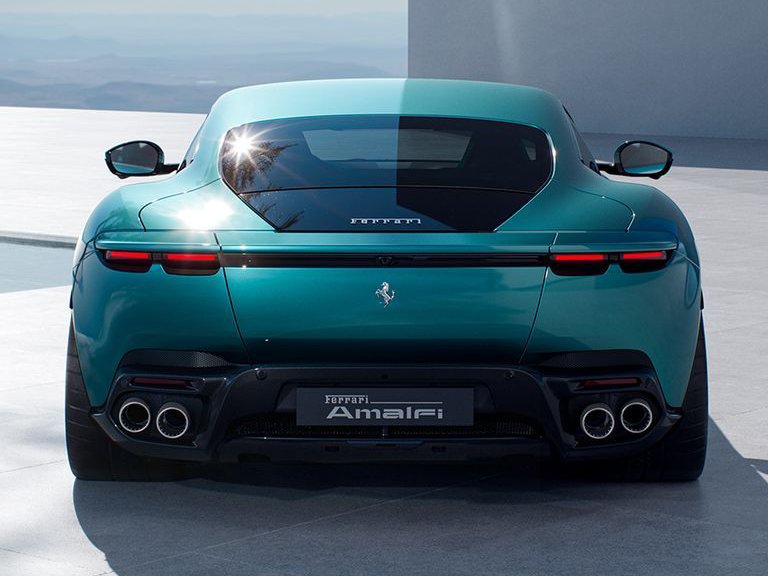
Frank Stephenson on the Ferrari Amalfi
When Frank Stephenson talks about car design, people pay attention. He’s the man behind icons like the Ferrari F430, McLaren P1, and the modern Mini. His words carry weight — and this time, his target is Ferrari’s first all-electric grand tourer, the Ferrari Amalfi.
So, what did he say? In short: it’s impressive, but the “emotional spark feels missing.”
A Beautiful Machine, But Too Controlled
Stephenson praises the Ferrari Amalfi for its sleek lines, balanced proportions, and aerodynamic perfection. It’s a design clearly crafted by experts who understand every curve and shadow. Yet, that’s exactly where he finds a problem — it feels too perfect.
Ferraris are supposed to make your heart race, not just your brain tick. They’re about drama, sound, and emotion. Stephenson argues that the Amalfi, while stunning, doesn’t speak to the soul the way older models like the 458 or F430 once did.

The Electric Challenge
Part of the issue, he admits, comes from the nature of electric cars. Without the growl of a V12 or the vibration of a high-rev engine, it’s harder to create that emotional connection. The Ferrari Amalfi, silent and refined, represents a different kind of thrill — instant torque, precision handling, and futuristic performance.
Still, Stephenson believes design must go beyond efficiency. “It should make you feel something before you even drive it,” he says. That emotional anticipation, he feels, isn’t as strong here.
A Step Forward, But at What Cost?
Even with his critique, Stephenson doesn’t dismiss the Amalfi. He respects Ferrari’s bold step into the electric future. It’s beautifully built, innovative, and fast — everything a Ferrari should be on paper. But emotionally? It leaves a small void.
The Ferrari Amalfi might not roar like the classics, but it signals a new chapter for the brand. Ferrari is evolving, and perhaps emotion will follow once the silence of electric power becomes part of its new identity.



Để lại một bình luận